Selling a home can feel overwhelming, especially when you are trying to balance timing, repairs, paperwork, and everyday life at the same time. If you want a smoother sale in Chesapeake, the good news is that low-stress prep usually comes down to a few smart priorities, not a long list of expensive upgrades. With the right plan, you can focus on what matters most, avoid last-minute surprises, and get your home ready with more confidence. Let’s dive in.
Start Early in Chesapeake
In Chesapeake, timing matters more than many sellers expect. The city notes that most of Chesapeake is susceptible to some level of flooding, and flood insurance can take 30 days to take effect. That makes it wise to start your prep several weeks before photos or showings, especially if you need to sort through documents, drainage concerns, or exterior work.
Seasonal weather also plays a role. Atlantic hurricane season runs from June 1 through November 30, so outdoor cleanup and minor exterior fixes are often easier to handle before storm activity becomes a factor. If your yard, gutters, or drainage areas need attention, doing that early can help reduce stress later.
Focus on the Prep That Matters Most
A low-stress sale does not usually require a full remodel. The strongest return often comes from simple steps that help buyers picture themselves in the home. That means your first priorities should be decluttering, cleaning, repairing obvious issues, and staging the spaces that buyers notice first.
According to the 2025 Profile of Home Staging, 83% of buyers’ agents said staging made it easier for buyers to visualize a property as a future home. The most commonly staged rooms were the living room, primary bedroom, and dining room. Many professionals also reported shorter time on market, and more than a quarter said staging helped sellers receive 1% to 10% more in offered value.
Declutter First
Decluttering is often the most important first step because it makes every other step easier. Once you remove excess furniture, personal items, and overflow from closets, your home looks larger, cleaner, and easier to photograph. It also gives you a head start on packing for your move.
As you declutter, aim to keep closets about half full and remove bulky pieces that make rooms feel tight. Pack away family photos, extra countertop items, and anything that distracts from the space itself. Buyers are trying to imagine their own routines in the home, and a cleaner visual field helps them do that.
Clean and Repair Next
After decluttering, move on to cleaning and small repairs. Deep cleaning can make a bigger impact than many sellers realize, especially in kitchens, bathrooms, floors, windows, and high-touch surfaces. A fresh, well-kept home signals that the property has been cared for.
Then tackle the repairs that buyers are most likely to notice during photos and showings. Think scuffed walls, dripping faucets, loose hardware, burned-out bulbs, and worn caulk. These are not flashy updates, but they help your home feel move-in ready without creating extra project stress.
Stage the Most Visible Rooms
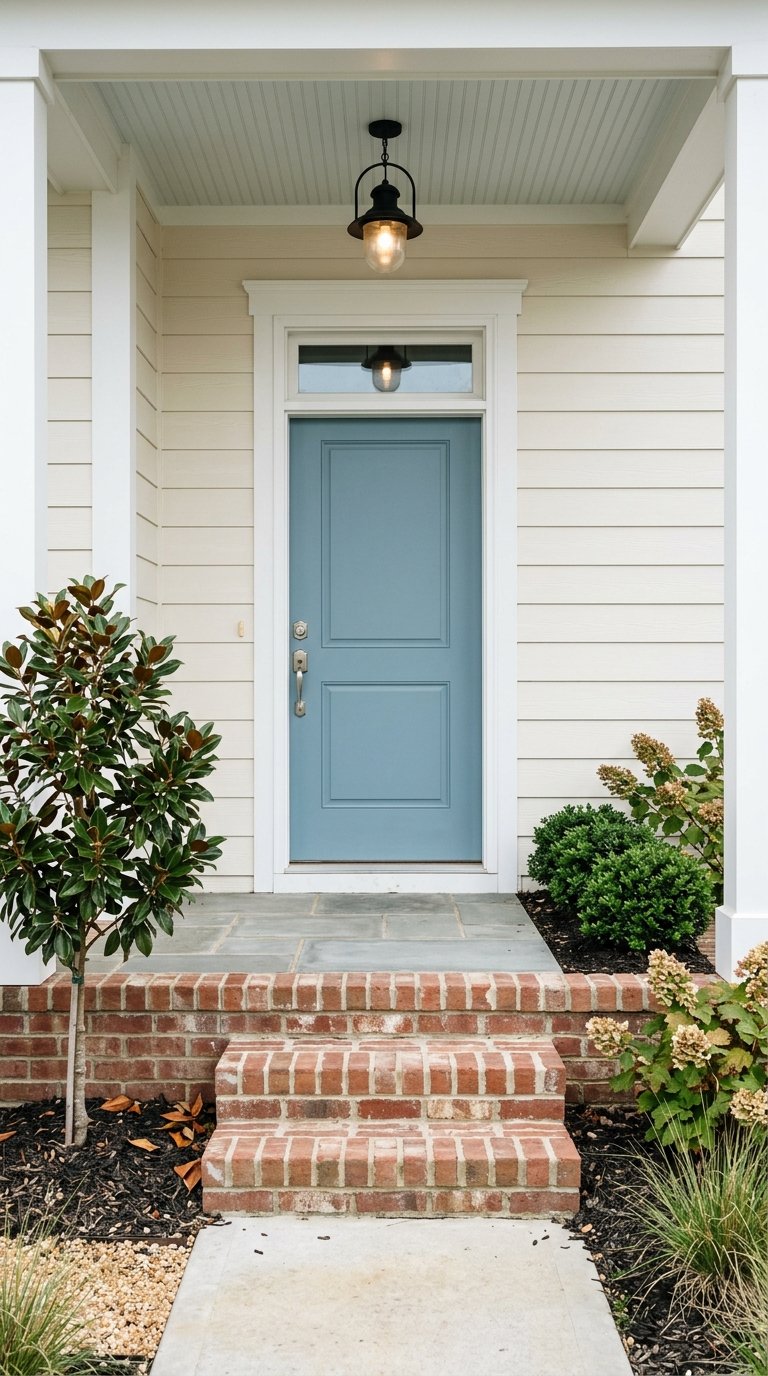
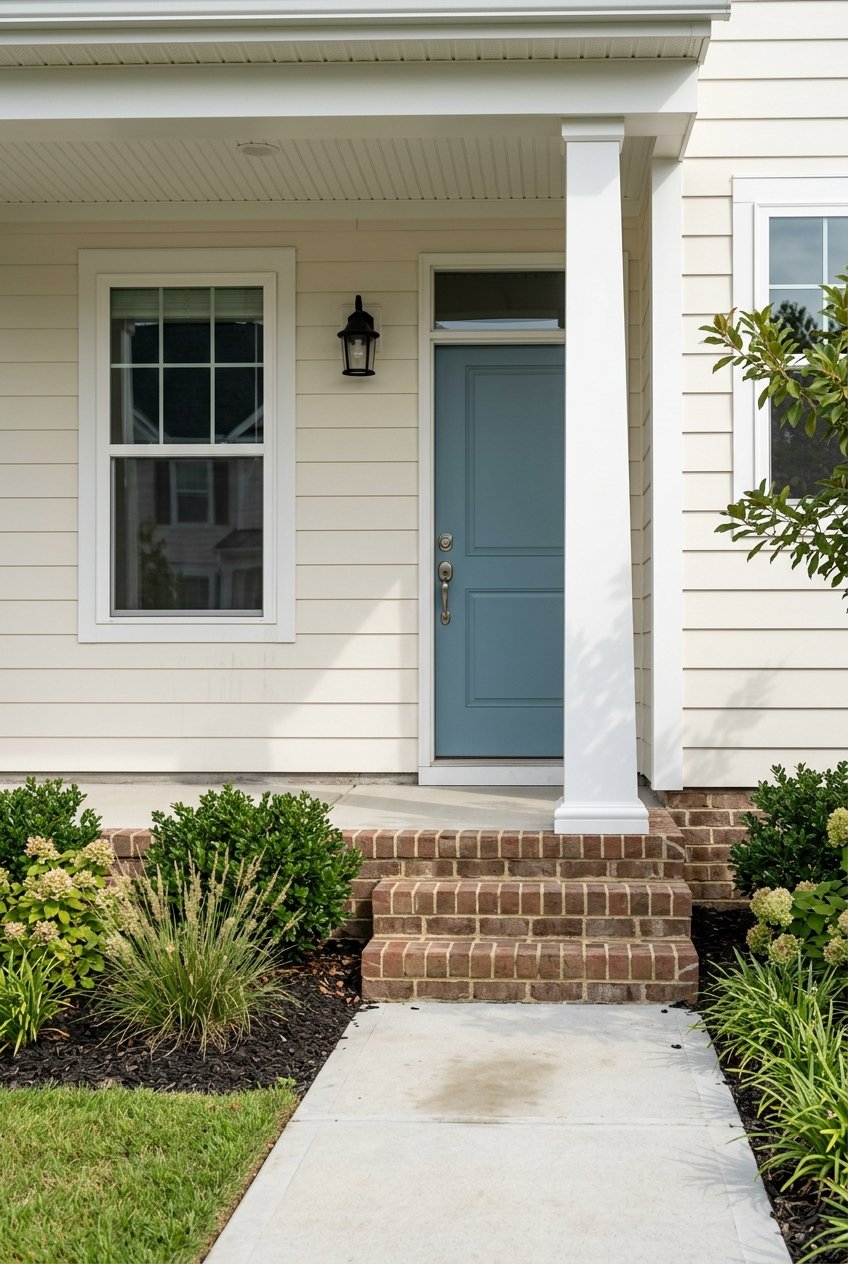
You do not need to stage every corner of the house to make a strong impression. Start with the entry, living room, primary bedroom, and dining room because those are among the spaces buyers tend to notice most. A welcoming front entry and a calm, neutral main living area can set the tone for the entire showing.
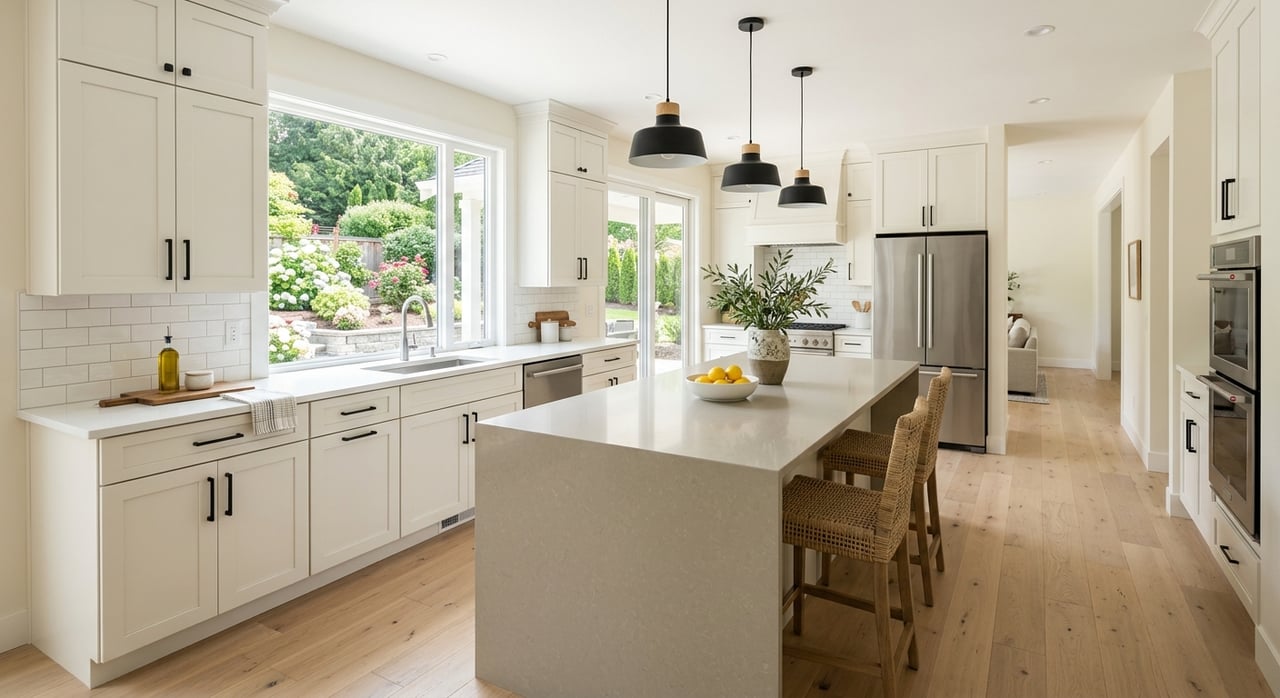
Use simple, buyer-friendly touches like neutral paint, fresh towels, crisp bedding, and a few small decor accents. The goal is not to redesign the home. It is to make it feel bright, open, and easy to imagine living in.
Make Photos a Top Priority
For many buyers, your listing photos are their first real introduction to your home. In NAR’s 2024 Generational Trends report, photos were the most useful website feature for nearly nine in 10 buyers age 58 and under, and 41% of all buyers first looked online for properties. That means photo prep is not optional if you want a smoother listing process.
A photo-ready home is usually a showing-ready home too. If you prep well for photography, you will likely reduce stress when showings begin because the home is already in strong shape. This also helps you avoid rushed cleanup every time someone wants to visit.
Your Photo-Day Checklist
Before photos, remove items that can distract buyers or create privacy concerns:
- Personal photos
- Toiletries
- Medicines
- Firearms
- Valuables
- Excess papers and cords
Then add a few finishing touches that read well in photos:
- Fresh towels in bathrooms
- Clean, simple bedding
- A neat front door mat
- Trimmed or manicured landscaping
- A small potted plant near the entry if appropriate
Be Smart About Exterior Projects
Curb appeal matters, but that does not mean you should take on major projects right before listing. In Chesapeake, some exterior work may require permits, and HOA approval may also be required in certain subdivisions. The city notes that permits are always required for items such as porches, decks, sheds or accessory buildings, fences, pools or hot tubs, and some electrical, plumbing, gas, furnace, and appliance work.
That is why low-stress prep usually favors cosmetic touch-ups over larger improvements. Mulch, basic landscaping cleanup, pressure washing where appropriate, and touch-up paint can help. Bigger projects can add time, cost, and paperwork, so it is best to confirm requirements before you begin.
Plan for Trash and Cleanout Early
Decluttering often creates more junk than expected. Old furniture, garage overflow, yard waste, and storage-room extras can pile up quickly once you start clearing the house. If you wait until the last minute, cleanup can become one of the most stressful parts of the process.
Chesapeake offers bulk trash collection by request, but there are limits. The city says bulk trash does not include construction debris, hazardous waste, or tires, and moving-generated excess garbage is not treated as a special collection category. If you know you will need help removing large items, schedule early so your prep timeline stays on track.
Gather Your Paperwork Before Listing
One of the easiest ways to lower stress during a sale is to get organized before your home hits the market. Virginia’s disclosure framework may require one or more written disclosures depending on the property and its history. Waiting until a buyer is already interested can make the process feel reactive instead of calm and controlled.
DPOR’s disclosure list includes items such as special flood hazard areas, wastewater or septic systems, privately owned stormwater management facilities, repetitive risk loss, pending zoning or building-code violations, and condominium or property owners’ association issues. If any of those may apply to your property, gather records early.
Helpful Documents to Pull Together
Create one folder, digital or physical, for items like:
- HOA or condo documents
- Septic or wastewater records
- Repair invoices
- Permit history
- Information on stormwater facilities if applicable
- Records related to flood matters or repetitive loss if applicable
- Any notices involving zoning or building-code issues
When your documents are organized, it is easier to answer questions quickly and keep the transaction moving.
Know What to Fix and What Can Wait
Many sellers worry about spending too much or too little before listing. A good rule of thumb is to fix issues that affect cleanliness, function, safety, or first impressions, and think carefully before putting money into major renovations. Buyers often respond well to homes that feel well maintained, bright, and easy to understand.
If you are deciding where to spend time, start here:
- Declutter every room
- Deep clean the home
- Repair small visible issues
- Neutralize bold or highly personal decor
- Improve the entry and main living spaces
- Address drainage or exterior cleanup concerns early
In most cases, these steps create more calm and momentum than a rushed remodel.
Create a Low-Stress Selling Timeline
If you want the process to feel manageable, break it into stages instead of trying to do everything in one weekend. A simple plan can help you stay focused and reduce decision fatigue.
| Timeline | Priority |
|---|---|
| 4 to 6 weeks before photos | Declutter, schedule bulk pickup if needed, gather disclosure documents |
| 3 to 4 weeks before photos | Deep clean, make minor repairs, review any permit or HOA questions |
| 1 to 2 weeks before photos | Stage key rooms, refresh entry, finish yard cleanup |
| Photo week | Remove personal items, valuables, toiletries, and final visual clutter |
This kind of step-by-step approach fits the Soraya HomeFront style of staying organized, informed, and calm through each phase of the move.
If you are getting ready to sell in Chesapeake and want a clear plan from the start, Triumph Realty - Main Site can help you prepare your home with practical guidance and steady support.
FAQs
What should Chesapeake sellers do first before listing a home?
- Start by decluttering, then deep clean, handle small visible repairs, and gather documents that may be needed for Virginia property disclosures.
How early should you prepare a Chesapeake home for sale?
- A practical timeline is several weeks before photos, with extra lead time if your property has flood-related questions, HOA requirements, or work that may require permits.
What rooms matter most when staging a Chesapeake home?
- Focus first on the living room, primary bedroom, dining room, and entry because these spaces often have the biggest impact on buyer impressions.
What paperwork should Chesapeake home sellers have ready?
- Sellers should organize items like HOA or condo documents, septic records, repair and permit history, and any records tied to flood matters, stormwater facilities, or code and zoning issues if applicable.
Do Chesapeake sellers need permits for pre-listing home improvements?
- Some projects do require permits, including items like decks, fences, sheds, pools or hot tubs, and certain electrical, plumbing, gas, furnace, and appliance work, so it is important to check city requirements before starting.
Why are listing photos so important when selling a Chesapeake home?
- Many buyers begin their search online, and photos are one of the most useful features in that process, so clean, well-prepared images can support a smoother and less stressful sale.