If you are thinking about selling your home in Virginia Beach, you may be asking the biggest question first: When should I list? The truth is, timing matters, but timing alone does not sell a home well. What usually makes the biggest difference is how well you prepare, how accurately you price, and how clearly you plan your next move. Let’s dive in.
Why timing matters in Virginia Beach
Virginia Beach is still an active market, but it is not a market where you can rely on guesswork. As of May 2026, Realtor.com reported about 1,100 homes for sale in Virginia Beach, a median listing price of $457,602, a median 25 days on market, and a 100% sale-to-list ratio. Redfin’s May 2026 data also showed homes moving quickly, with a median of 23 days on market and about two offers per home on average.
Those numbers point to a market with real demand, but not unlimited buyer urgency. REIN’s Hampton Roads MLS reported 5,512 active listings regionally in May and 2.60 months of inventory, while also noting 977 active listings in Virginia Beach in April. In simple terms, buyers still have choices, so sellers benefit most when they launch with a clear strategy.
Spring is still the strongest season
Seasonal patterns still matter in Hampton Roads. REIN reported active listings rising from 4,766 in March to 5,412 in April and 5,512 in May, while median days on market improved from 22 to 19 to 18 days. That tells you spring tends to bring both more listings and steady buyer activity.
Virginia REALTORS also described April as a busy month statewide and said the spring market was well underway. Even with mortgage rates influencing affordability, the market has remained resilient. For many sellers, that means spring is often the best planning target, especially if you can prepare your home before the busiest wave begins.
What “best time” really means
National research from Realtor.com identified April 12 through 18 as the peak week to sell in 2026, with stronger listing views and faster sales than an average week. Still, that should be treated as a planning benchmark, not a hard rule. A well-prepared home listed at the right price will often outperform a rushed listing that simply hits the market during a popular week.
If your move depends on a job change, military orders, a home purchase, or a family transition, your ideal timing may be different. The best listing date is the one that matches both market conditions and your personal timeline. That balance is where a solid strategy starts.
Pricing strategy matters as much as timing
In Virginia Beach, pricing is not something to set by citywide averages alone. Realtor.com’s local data showed a 100% sale-to-list ratio, and Redfin reported homes getting around two offers on average. That suggests buyers are still willing to act, but they are responding to homes that feel well priced compared with current competition.
If you price too high, you may lose momentum during the first days on market, when buyer attention is usually strongest. If you price realistically from the start, you may attract stronger interest and better terms. In a market like this, accurate pricing often beats aspirational pricing.
Your micro-market matters most
Virginia Beach is not one single pricing story. Realtor.com showed notable variation by area, including:
- Courthouse-Sandbridge with a median listing price of $560,000 and 27 days on market
- Oceanfront with a median listing price of $714,904 and 35 days on market
- Kempsville with a median listing price of $425,000 and 22 days on market
- Holland with a median listing price of $365,000 and 22 days on market
That spread matters. The most useful pricing strategy usually comes from comparable homes in the same neighborhood, similar price range, and similar home style, rather than broad city numbers.
Prepare before you list
A strong launch starts before your home goes live. In a market where homes are still selling at a healthy pace but buyers have more options, preparation can shape how your home is perceived from day one. The goal is not to over-improve. It is to make smart, visible choices that help buyers see value quickly.
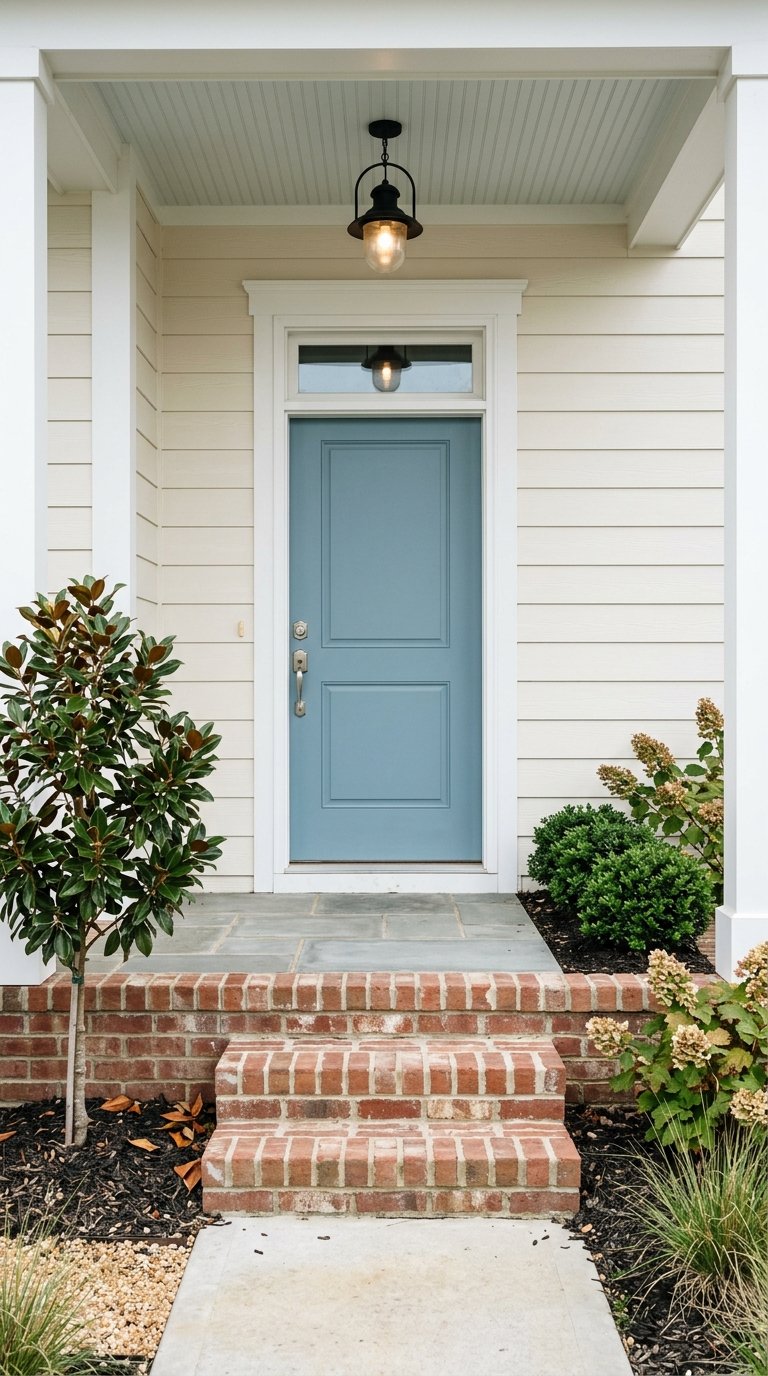
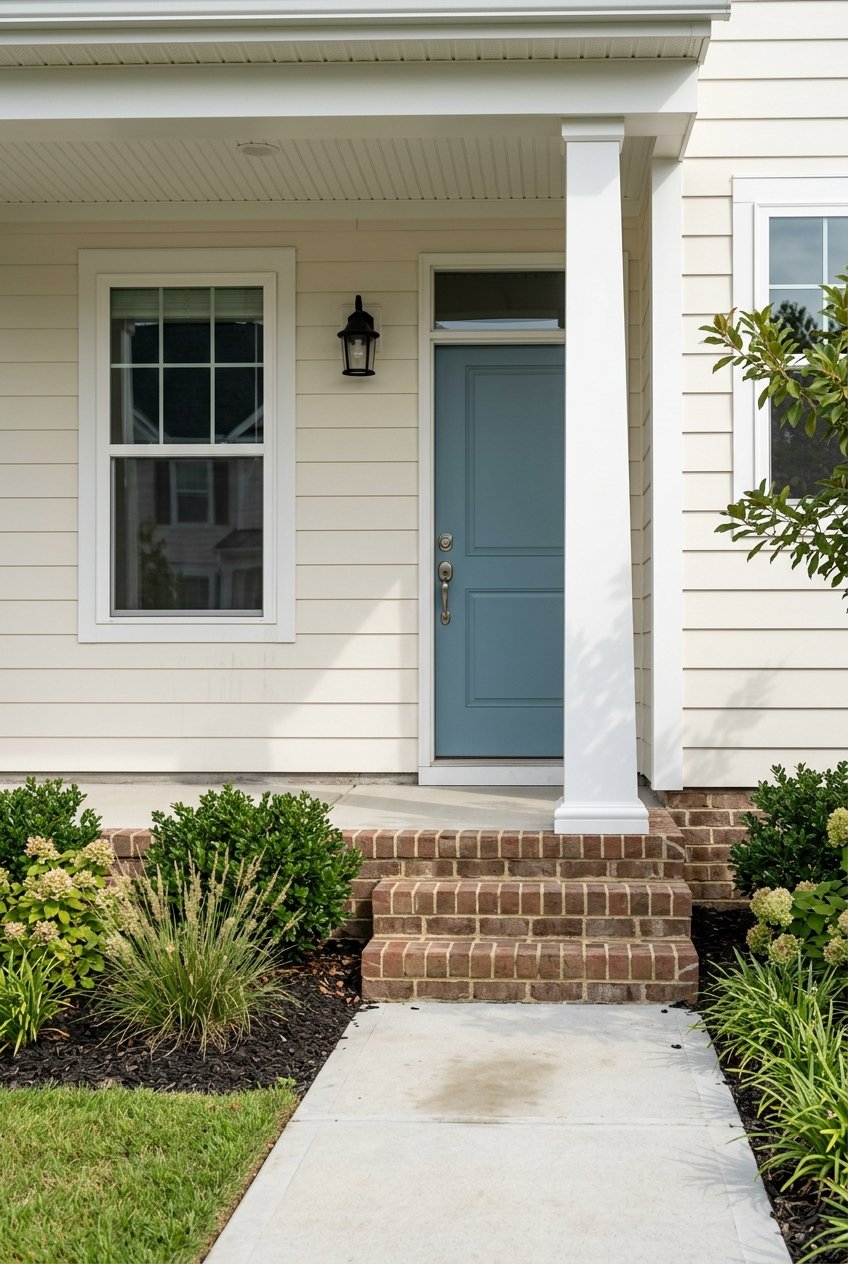
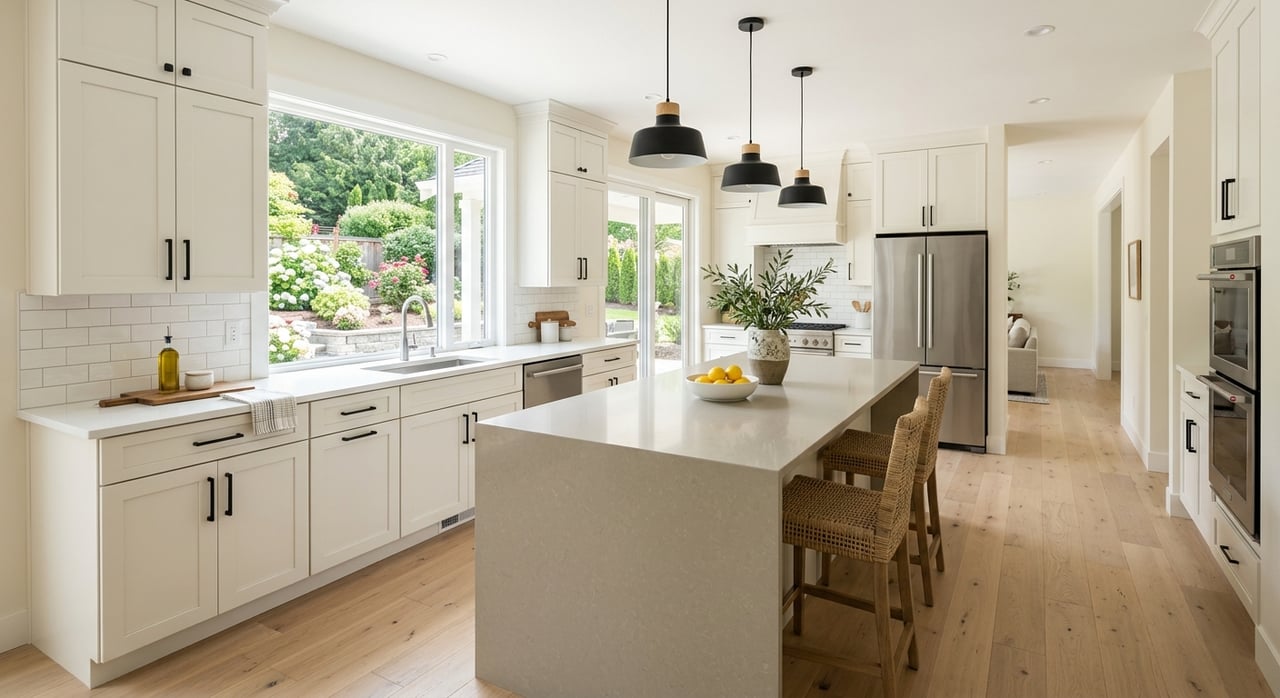
According to Realtor.com, modest cosmetic updates often make more sense than major renovations. Fresh paint, updated fixtures, and improved landscaping can help your home show better without taking on the cost of a large remodel that may not fully pay you back.
Focus on high-visibility improvements
Before listing, it often helps to prioritize updates like:
- Fresh neutral paint where needed
- Simple fixture or hardware updates
- Basic landscaping and exterior cleanup
- Decluttering and light staging
- Minor repairs that buyers are likely to notice
These kinds of improvements can support better photos, stronger first impressions, and a smoother showing experience. In many cases, they also help reinforce your pricing strategy.
Launch with a plan, not just a date
Once your home is ready, your first days on market matter. This is when buyers who have been watching new inventory are most likely to notice your listing. If traffic is slow early on, that can be a sign to reassess price, presentation, or competition.
A thoughtful launch plan should answer a few practical questions upfront. How many similar homes are active right now? How many are pending? What will you do if showing activity is lighter than expected? Sellers who think through these details early often feel more confident and less reactive once the listing is live.
Questions to ask before listing
Use these questions to guide your strategy conversation:
- What are the active and pending comps in my exact neighborhood and price band?
- What is the recent days on market for homes like mine?
- What is the sale-to-list ratio for similar homes right now?
- How much competition will I face if I list now versus a few weeks from now?
- Which repairs or cosmetic changes are most likely to help?
- What is the plan if buyer traffic is light after launch?
- Which disclosures or documents should I gather now?
Virginia Beach sellers should gather disclosures early
Virginia sellers must provide the state Residential Property Disclosure Statement. Under Virginia law, the form is intended to alert buyers to issues that may affect their decision and directs buyers to perform due diligence on specific property-related matters. These can include flood hazard areas, historic districts, resource protection areas, and public-use airport noise zones.
For Virginia Beach sellers, this matters because location-specific questions can come up early. The law also notes that properties outside mapped special flood hazard areas can still flood. That means it is smart to gather information related to flood exposure, insurance questions, and other local disclosure items before your home hits the market.
The best time to sell is seasonal and personal
The local data suggests that good timing can help, especially in the spring, but timing is only part of the picture. Virginia Beach remains active, with relatively quick days on market and ongoing buyer demand. At the same time, growing inventory means buyers can compare more options, so your pricing and presentation need to work together.
If you are preparing for a military move, a job relocation, downsizing, or your next investment decision, your sale strategy should fit your real life, not just a calendar trend. When your home is prepared well, priced from current local comps, and launched with a plan, you put yourself in a stronger position to move forward with confidence.
If you are thinking about selling in Virginia Beach and want a calm, organized plan built around your goals, connect with Triumph Realty - Main Site.
FAQs
When is the best time to sell a home in Virginia Beach?
- Spring is typically the strongest season in the Hampton Roads market, but the best time for you also depends on your moving timeline, preparation, and pricing strategy.
How fast are homes selling in Virginia Beach right now?
- Recent 2026 data showed median days on market in the low-to-mid 20s, with sources reporting about 23 to 25 days in Virginia Beach and 18 days regionally in May.
Should I price my Virginia Beach home based on the city average?
- No. The most useful pricing strategy comes from comparable homes in your specific neighborhood, price band, and property type.
What repairs should I make before selling a home in Virginia Beach?
- Modest cosmetic updates like fresh paint, fixture updates, landscaping, and minor repairs are often more practical than large renovations.
What disclosures do Virginia Beach home sellers need to prepare?
- Virginia sellers must provide the Residential Property Disclosure Statement, and Virginia Beach sellers should be ready to address local items such as flood-related questions and other location-specific due diligence topics.
Does listing during the spring guarantee a better sale in Virginia Beach?
- No. Spring can bring more buyer activity, but strong preparation, realistic pricing, and a clear launch plan often matter just as much as the season.