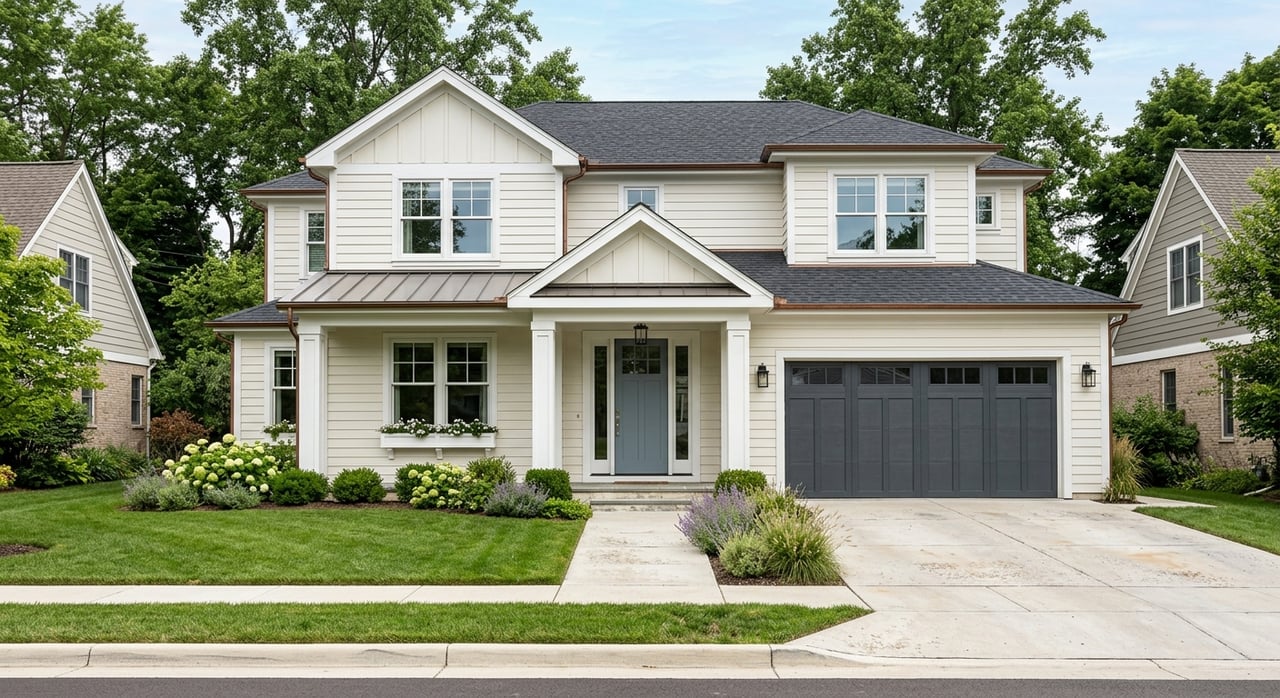
Thinking about a move to Chesapeake and wondering what everyday life actually feels like once the boxes are unpacked? That is often the real question behind any home search. You want more than a house. You want a daily routine that feels manageable, comfortable, and worth the move. In Chesapeake, that usually means more space, a car-friendly routine, and easy access to shopping, parks, and major roads across Hampton Roads. Let’s dive in.
What suburban life in Chesapeake feels like
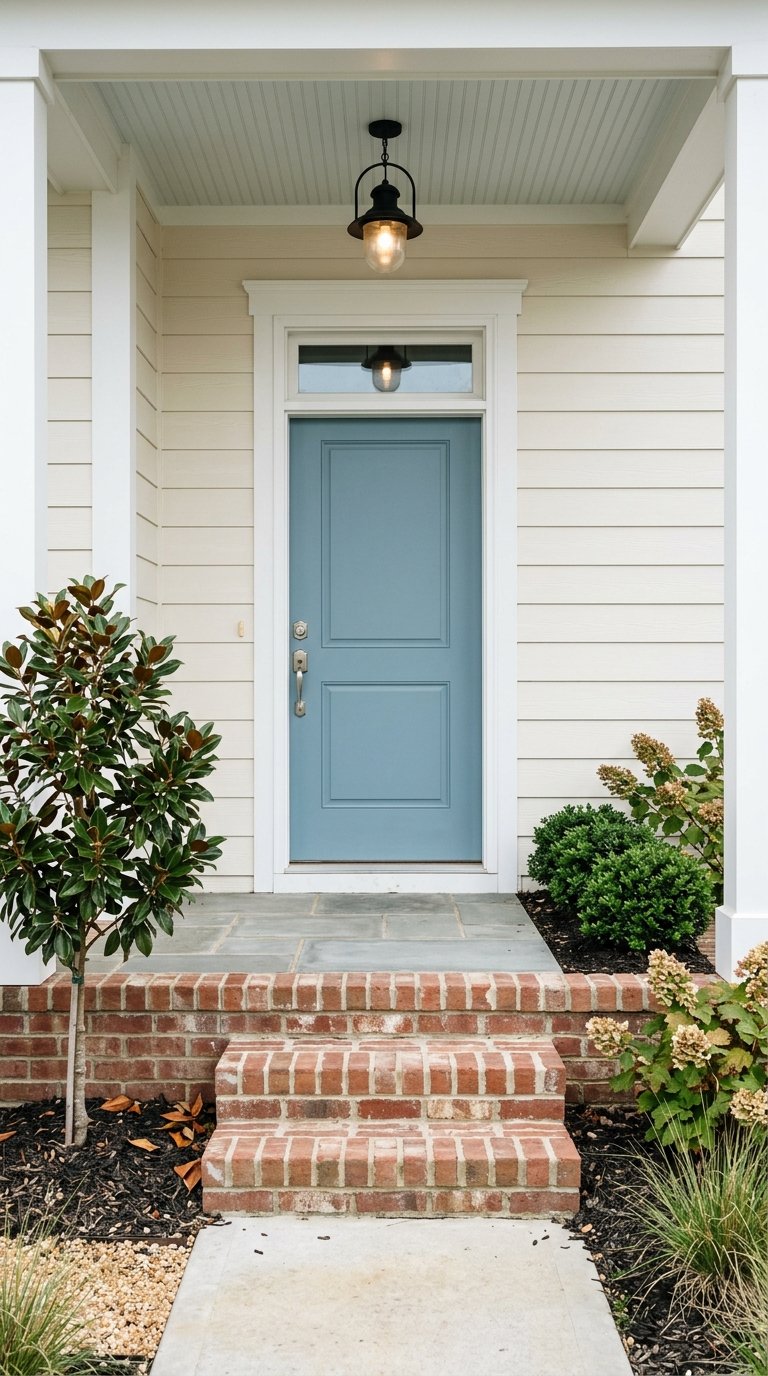
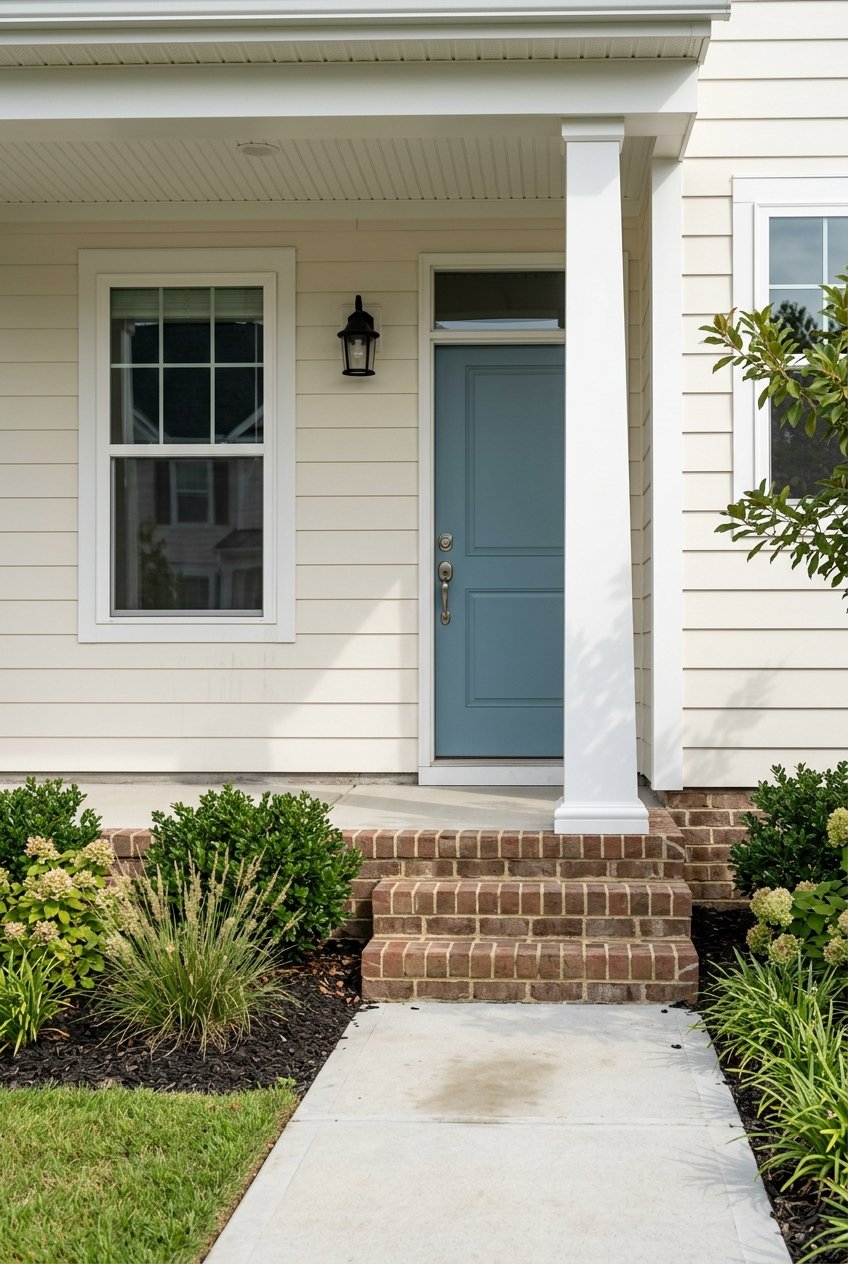
Chesapeake is a large, low-density city with an estimated 255,332 residents spread across 338.46 square miles. That scale helps explain why life here can feel more spread out and residential than in a compact urban setting. Depending on where you land, your neighborhood may feel distinctly suburban or lean more open and semi-rural.
The overall housing picture also supports that suburban feel. About 74.4% of occupied homes are owner-occupied, and 87.5% of residents lived in the same home one year earlier. That points to a relatively stable, homeowner-heavy environment where people tend to put down roots.
For many buyers, that stability matters just as much as square footage. If you are looking for a place where routines can settle in, Chesapeake often stands out for that reason. The city’s blend of residential neighborhoods, commercial centers, and open land gives you more than one version of suburban living.
Daily routines are mostly car-based
In Chesapeake, daily life tends to revolve around driving. The city maintains more than 2,300 miles of roadway and connected shoulders, and major routes like the Chesapeake Expressway and Dominion Boulevard help connect residents to I-64, I-464, North Carolina, and other parts of the region. The average commute time is 25.8 minutes, which fits the area’s road-centered pattern.
That means your day may include school drop-offs, grocery runs, appointments, and work commutes by car rather than on foot. For many households, that tradeoff comes with benefits like larger homes, lower-density neighborhoods, and easier access to parking. It is a different rhythm than a walk-everywhere city, but for many buyers, it feels practical and familiar.
Transit does exist, but it works more as a supplement than the backbone of everyday travel. The city points residents to HRT bus service and Amtrak, and HRT expanded OnDemand ridesharing to Chesapeake in January 2026 for areas with limited fixed-route coverage. Even so, most residents will still experience Chesapeake as a driving city first.
Where the suburban feel is strongest
Some parts of Chesapeake line up more closely with what most buyers picture when they think of suburban neighborhoods. City planning descriptions identify Deep Creek, Grassfield, Great Bridge, and parts of Western Branch as some of the city’s more suburban-feeling areas.
Deep Creek
The city describes Deep Creek as suburban with a tight-knit feel. If you are looking for a setting that feels residential and established, this area often fits that picture. It can appeal to buyers who want a neighborhood atmosphere without feeling too dense.
Grassfield
Grassfield is described by the city as the newest and second-fastest-growing planning area. It includes newer, low-density suburban neighborhoods and some commercial nodes like Dominion Commons. For buyers drawn to newer housing and a more recently built suburban layout, Grassfield may stand out.
Great Bridge
Great Bridge includes many suburban single-family subdivisions. It is one of the places in Chesapeake where the suburban pattern is especially easy to recognize. If your home search is centered on detached housing and a traditional neighborhood layout, Great Bridge often enters the conversation quickly.
Western Branch
Western Branch blends suburban neighborhoods, commercial uses, and natural amenities. That mix can make daily life feel convenient without losing the residential feel many buyers want. It is a good example of how Chesapeake often combines practical errands with lower-density living.
Greenbrier offers convenience close to home
If your ideal routine includes quick access to stores, restaurants, and major employers, Greenbrier has a different kind of suburban appeal. The city describes it as Chesapeake’s main commercial hub and largest employment center. It also includes a range of newer housing, from single-family homes to townhomes and apartments.
This is one of the easiest places in Chesapeake to picture an errands-friendly lifestyle. Greenbrier Mall serves as a major regional retail destination with more than 114 specialty shops and three major department stores. Towne Place at Greenbrier adds another cluster of shopping and dining with 25 stores and restaurants.
For some buyers, that convenience is a major quality-of-life factor. Being able to handle shopping, dining, and day-to-day tasks without a long cross-city drive can shape how a neighborhood feels in real life. In Chesapeake, Greenbrier often represents that more connected, convenience-focused version of suburban living.
Not every part of Chesapeake feels suburban
One of the most important things to know about Chesapeake is that it is not one-note. While many areas feel suburban, others have a different character entirely. That variety is part of what makes the city appealing, but it also means your experience can change a lot from one area to another.
South Norfolk is the city’s oldest urban area, with denser gridded neighborhoods and smaller homes. Southern Chesapeake is one of the most rural planning areas, where farmland is giving way to large-tract single-family homes while open space remains part of the landscape. Rivercrest is another contrast, with more multifamily housing and waterfront access, along with flood-risk considerations noted by the city.
That range matters if you are relocating from outside Hampton Roads. Two homes with the same city address can offer very different day-to-day experiences depending on the planning area. A clear neighborhood-by-neighborhood approach can help you focus on the version of Chesapeake that best fits your routine.
Shopping and errands are part of the lifestyle
In many suburban cities, errands can feel like a chore. In Chesapeake, they are often built into the way the city functions. Shopping is a major part of day-to-day life, and several retail hubs help serve different parts of the city.
In addition to Greenbrier, the city’s visitor materials highlight Chesapeake Square Mall and the Edinburgh shopping centers. That spread of retail options supports the city’s practical, drive-based lifestyle. You are not likely to rely on one main downtown core for everything.
For buyers comparing Chesapeake to denser areas of Hampton Roads, this can be a real plus. You may trade walkability for space and parking, but you often gain convenience in a different form. Your errands may involve a car, yet they are usually supported by established shopping corridors.
Parks and outdoor time are easy to work in
One of the strongest parts of everyday life in Chesapeake is how easy it is to make outdoor time part of your normal week. The city says it has 80 public parks, miles of multi-use trails, and water-based recreation including fishing, crabbing, boat ramps, piers, canoeing, paddle boats, and kayaking.
That means outdoor recreation is not limited to major weekend plans. It can be as simple as a stop at a playground, a walk on a trail, or time near the water after work. For many residents, that access helps balance out the city’s car-oriented layout.
City Park and local recreation
Chesapeake City Park is one example of how recreation ties into everyday routines. The park includes the Fun Forest playground, a farmers market, and an outdoor concert venue. Spaces like this give residents an easy place to gather, unwind, and build regular habits close to home.
Northwest River Park and open space
Northwest River Park adds another layer to the local lifestyle with camping, cabins, miniature golf, and equestrian trails. In a city that blends suburban and rural elements, this kind of access helps everyday life feel less boxed in. You can live in a neighborhood setting and still have meaningful access to open space.
Waterways shape the local identity
The city’s visitor materials also emphasize the Intracoastal Waterway, Lake Drummond, and the Dismal Swamp Canal. Those waterways are not just scenic talking points. They help define Chesapeake as a place where water access and outdoor recreation are a real part of local life.
Why Chesapeake appeals to many movers
For many buyers, Chesapeake offers a useful middle ground. You can find more breathing room than you might get in a compact city, while still keeping access to shopping, parks, and regional commuting routes. That balance is often the biggest reason people put Chesapeake on their shortlist.
The city also fits a wide range of move scenarios. If you are relocating for work, planning a military move, buying your first home, or simply looking for a different pace, Chesapeake offers several lifestyle patterns within one city. The key is narrowing in on the daily routine you want before choosing a specific area.
That is where local guidance can make a real difference. When a city has this much variation, the best move is usually the one that matches your commute, your errands, and the kind of neighborhood feel you want day to day. If you are weighing Chesapeake against other Hampton Roads locations, working with someone who can help you compare those tradeoffs clearly can take a lot of stress out of the process.
If you are exploring Chesapeake or planning a move anywhere in Hampton Roads, Triumph Realty - Main Site can help you sort through the options with clear, organized guidance that makes your next step feel more manageable.
FAQs
What is everyday suburban life like in Chesapeake, VA?
- Everyday suburban life in Chesapeake usually includes a car-based routine, lower-density neighborhoods, easy access to shopping centers, and frequent use of parks and outdoor spaces.
Which parts of Chesapeake feel the most suburban?
- City planning descriptions identify Deep Creek, Grassfield, Great Bridge, and parts of Western Branch as some of the city’s most suburban-feeling areas.
Is Chesapeake, VA a walkable city for daily errands?
- Chesapeake functions mainly as a driving city, so most daily errands, work commutes, and appointments are handled by car rather than on foot.
What makes Greenbrier different from other Chesapeake neighborhoods?
- Greenbrier stands out as Chesapeake’s main commercial hub, with major shopping, restaurants, offices, and a mix of newer housing types.
Does Chesapeake offer easy access to parks and outdoor recreation?
- Yes. The city says Chesapeake has 80 public parks, miles of trails, and water-based recreation options that make outdoor time easy to include in everyday life.
Are all Chesapeake neighborhoods similar in character?
- No. Chesapeake includes suburban areas, older denser neighborhoods like South Norfolk, more rural parts of Southern Chesapeake, and areas like Rivercrest with more multifamily housing and waterfront access.